

About Helen Tighe, MACP, AMFT, APCC
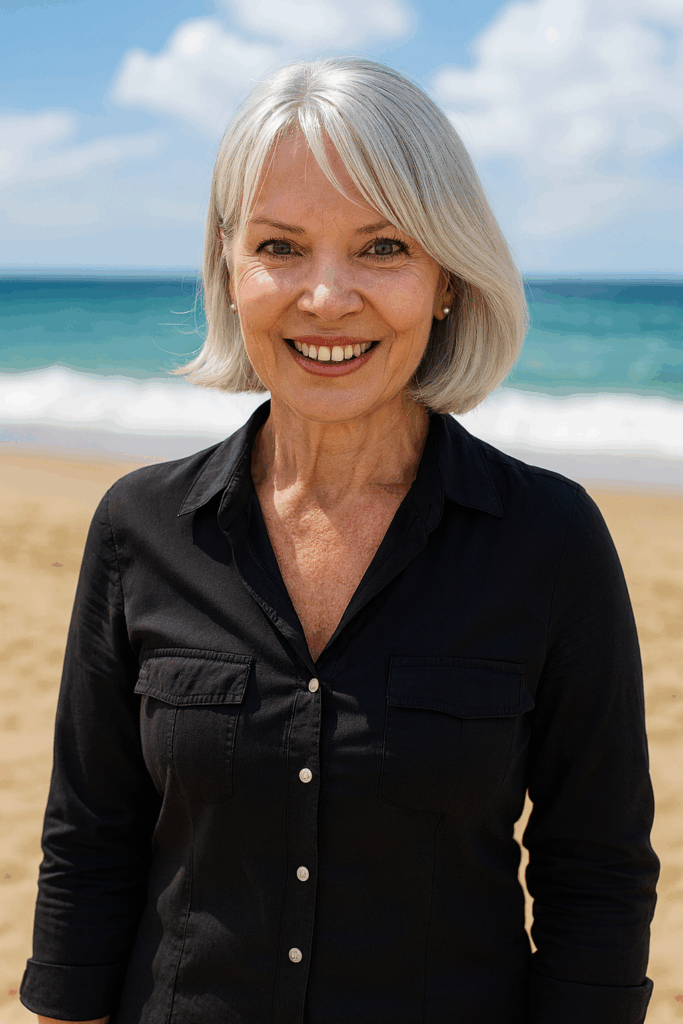 Ready to help you gain a sense of control, hope, and confidence.
Cancer changes everything — not just for the person receiving the diagnosis, but for their whole world: partners, children, caregivers, and close friends. As a psychotherapist and a cancer survivor myself, I understand firsthand the emotional complexities that come with a diagnosis, the rollercoaster of treatment, the uncertain space of survivorship, and the deep grief and adjustment that follow life-altering changes.
I specialize in supporting individuals and families across all stages of the cancer care experience — from the shock of early diagnosis to navigating treatment, living with advanced disease, or facing end-of-life decisions. I also work closely with survivors adjusting to life after treatment and with loved ones coping alongside them. Cancer is not a single moment in time; it’s an evolving experience that touches every part of life — and every person’s experience is uniquely their own.
My therapeutic work is rooted in collaboration and tailored to the unique needs of each individual. I draw from a variety of evidence-based approaches — including Cognitive Behavioral Therapy (CBT), EMDR (Eye Movement Desensitization and Reprocessing), mindfulness, trauma-informed care, and somatic-based interventions — to help clients build resilience, manage anxiety or grief, and regain a sense of control, hope, and confidence, even in uncertain times.
I earned my Master’s in Counseling Psychology from Southern California Seminary and have trained and gained experience at UCSD Moores Cancer Center, Scripps Clinic’s Palliative Care Department and Elizabeth Hospice. I’m here to support you with care that is empathetic, grounded, and attuned to your unique experience.
Outside of my clinical work, I recharge by spending time with my family, walking and playing with my dog “Roly”, exploring new places, reading, and sharing good coffee and conversation with friends.

An Interview with Helen Tighe
Q: What drives your commitment to working with individuals diagnosed with cancer and/or their loved ones?
A: cancer diagnosis profoundly affects not only the individual but their entire support system. Every journey is unique, and there’s no clear map for how to navigate it. My commitment stems from a desire to walk alongside individuals and their loved ones, helping them find their way through the uncertainty, with compassion, support, and guidance.
Q: Have you ever been touched personally by cancer?
A: Yes—I was diagnosed with breast cancer at age 45, while parenting a preschooler and two teenagers. I experienced firsthand the emotional toll it takes, not just on the individual but on the entire family. I vividly remember the moments of overwhelm, and the relief brought by someone who truly understood. That experience was the beginning of my own path to supporting others affected by cancer.
Q: What’s the biggest lesson or piece of advice a patient with cancer has offered you?
A: Take one day at a time and be kind to yourself.” That simple advice carries so much wisdom. As a cancer patient some days you may feel stronger and more productive; other days, just getting out of bed, showering, or brushing your teeth is an accomplishment—and that’s okay.
Q: If you had to change your entire persona and only keep one part, what would that be?
A: I would keep the part of me that leans toward people—the part that finds joy in connection, loves deeply, and is endlessly fascinated by the human experience. It’s the heart of who I am and what grounds me in both my personal and professional life.
Q: What do you do for fun and enjoyment?
A: To recharge, I spend time with my family, walk in nature, play with my dog Roly, and explore new places and foods. I also love reading and enjoying a good cup of coffee with friends over meaningful conversation.